
The Campfire Test: One Foolproof Way Your Investment in Indigenous Affairs is Impacting
By Lindsay Bridge, Director – First Nations Economics
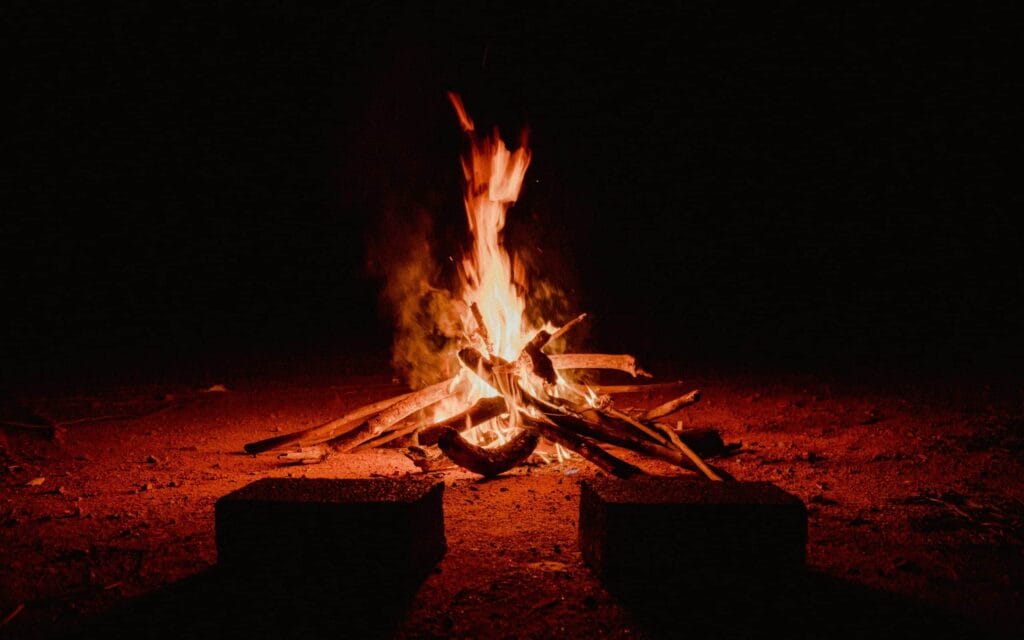
You can write the strategy, hit the KPI, and deliver the report. You can even walk out of an office on a Friday afternoon feeling like you’ve made progress, with another contract awarded or another milestone met. Perhaps you’re sipping wine, catching your breath, and feeling justified that your investment in Indigenous affairs is making an impact. But impact isn’t something you can declare over a Pinot Grigio. Real impact doesn’t show up in your inbox or budget acquittals. It lives, or dies, by the campfire.
The Campfire Doesn’t Lie
The campfire is not a metaphor. It is the space where truth speaks, unfiltered. Where Elders, young people, and community members sit with history, disappointment, pride, hope, and resilience all in one breath. If you want to know if your policy mattered, if your funding shifted anything meaningful, or if your investment did more than tick a box, then imagine your work being spoken about here. Not in your team briefing. Not in the post-implementation review. But on Country, by people who live with the outcomes when the strategy team moves on.
I’ve spent hours around these fires, where stories thread across generations, where culture is not taught, but lived. Guitars come out. Slim Dusty, Charley Pride, and local storytellers we hear on the radio carry more than just lyrics. Uncles playing tunes that speak of hard times, soft hearts, and survival. I never quite cracked the guitar myself, thank goodness for talented Uncles and voices of our Aunties, but what I did learn was this: the fire reveals everything. It’s where impact can’t be dressed up. It’s where nothing is hidden, not even the truth of who delivered and who didn’t.
What would they say? That’s the only test that matters. That’s the campfire test.
When Influence Isn’t a Shield
Let’s not pretend that our mob, who hold positions of influence, get to ride easily. If anything, we are the first to be judged when something goes wrong. We walk the knife’s edge, balancing cultural integrity with policy expectations, economic ambitions, and political reality. One misstep and accountability slaps us hard, not gently. This isn’t a job. It’s a constant negotiation of identity, responsibility, and consequence.
We can sometimes be expected to translate complexity. To absorb the trauma of systems that move slowly, while our communities need urgency. To deliver the outcomes that make politicians smile while not selling out the values that keep our spirits anchored. That’s not a tightrope. That’s a crucible.
The Real Question Is Not “What Did You Do?”
What changed because of it? Did your initiative shift impact or just move money? Did your policy open up space for community voice, or did it formalise consultation theatre? Did it build long-term cultural wealth or fund short-term optics?
We don’t get to hide behind the idea of ‘intention’. Our work must survive interrogation. Not from executives, but from the people who feel its weight. The Aunties. The Uncles. Our Elders. The ones who’ve watched decades of promises float in and out of their towns like summer storms, loud, impressive, and ultimately gone.
The Campfire Test Is Not a Checklist
It’s not something you prepare a slide deck for. It’s a hit to the ego or a quiet nod of respect. You don’t get to choose which one you receive. The community decides that. You can’t fake it here. You can’t spin a story or wave a results dashboard. You either did the work that matters, or you didn’t.
So next time you want to know if your investment in Indigenous affairs made a difference, don’t ask your colleagues. Don’t ask your comms team. Ask the fire. If your name came up, would they speak of impact or just another outsider who passed through?